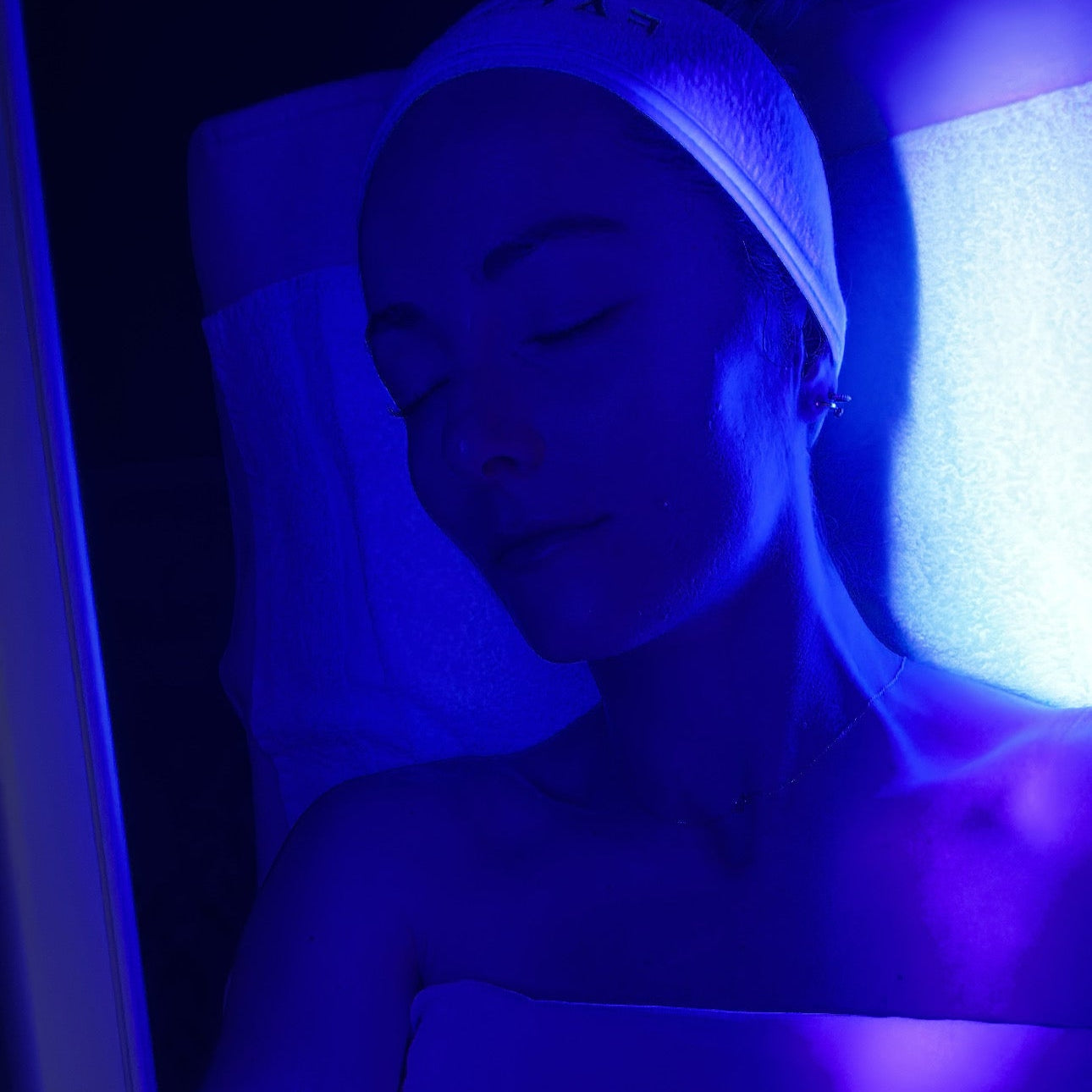


Do you spend all winter working to fade your pigmentation, only for it to come right back the following summer? Talk about frustrating. First things first, let's dive into why this happens.
Pigment Is Protection
Melanin production (melanogenesis) is a protective mechanism. When the skin senses a threat (think UV rays, inflammation, hormonal shifts) it activates an enzyme called tyrosinase inside melanocyte cells. This kicks off a cascade of reactions that produce melanin.
That melanin is then transferred to surrounding skin cells to shield DNA from damage.
In simple terms: Your skin is trying to protect you from this damage.
The problem? When this process is triggered repeatedly or aggressively, melanocytes can become dysregulated. Instead of producing balanced pigment, they begin to overproduce and “dump” melanin into the skin, leading to visible dark patches.
Why It Keeps Coming Back
Melanocytes are long-living, slow-cycling cells. They can hold onto a memory of inflammation or UV exposure and remain sensitized, so when they get triggered, a recurrence of pigmentation appears.
Primary Causes of Pigmentation
Post-Inflammatory Hyperpigmentation (PIH)
Caused by irritation or trauma (acne, aggressive treatments, picking, over-exfoliation). Even well-intentioned corrective treatments can retrigger melanogenesis — especially in higher Fitzpatrick skin types.
Photo-damage
UV exposure is one of the strongest activators of tyrosinase. Even small, cumulative doses of UV, and possibly high energy visible (blue) light, can continuously stimulate melanin production. What started as protection eventually becomes persistent discolouration.
Melasma
This is hormonally driven and intrinsically activated. Pregnancy, contraceptives, metabolic conditions, and certain medications can increase melanocyte activity. Because the trigger is internal, topical treatment alone often isn’t enough to prevent recurrence.
What Do We Do Now?
Our goal isn’t to “fight” pigment - it’s to regulate melanocyte signalling, reduce triggers, and protect the skin’s DNA so it doesn’t feel the need to overcompensate.
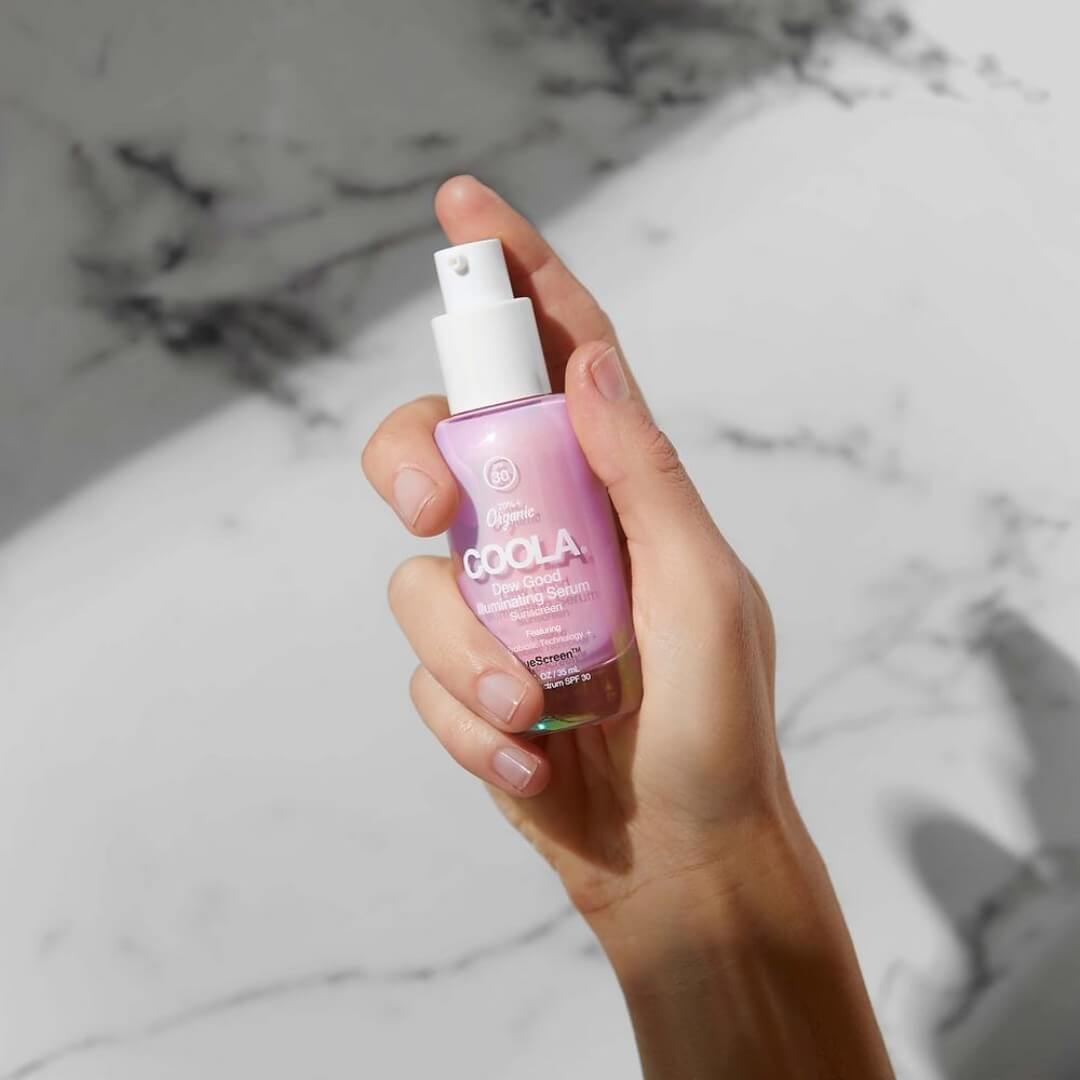
The number one most important step when dealing with pigmentation is wearing a highly protective, mineral broad spectrum uva/uvb SPF. We LOVE odacité tinted mineral spf 50 drops as well as their sheer mineral spf 50 drops.
Learn our favourite treatments and ingredients to help support the skin here: BLOG: Hyperpigmentation: What Causes it and How to Treat it