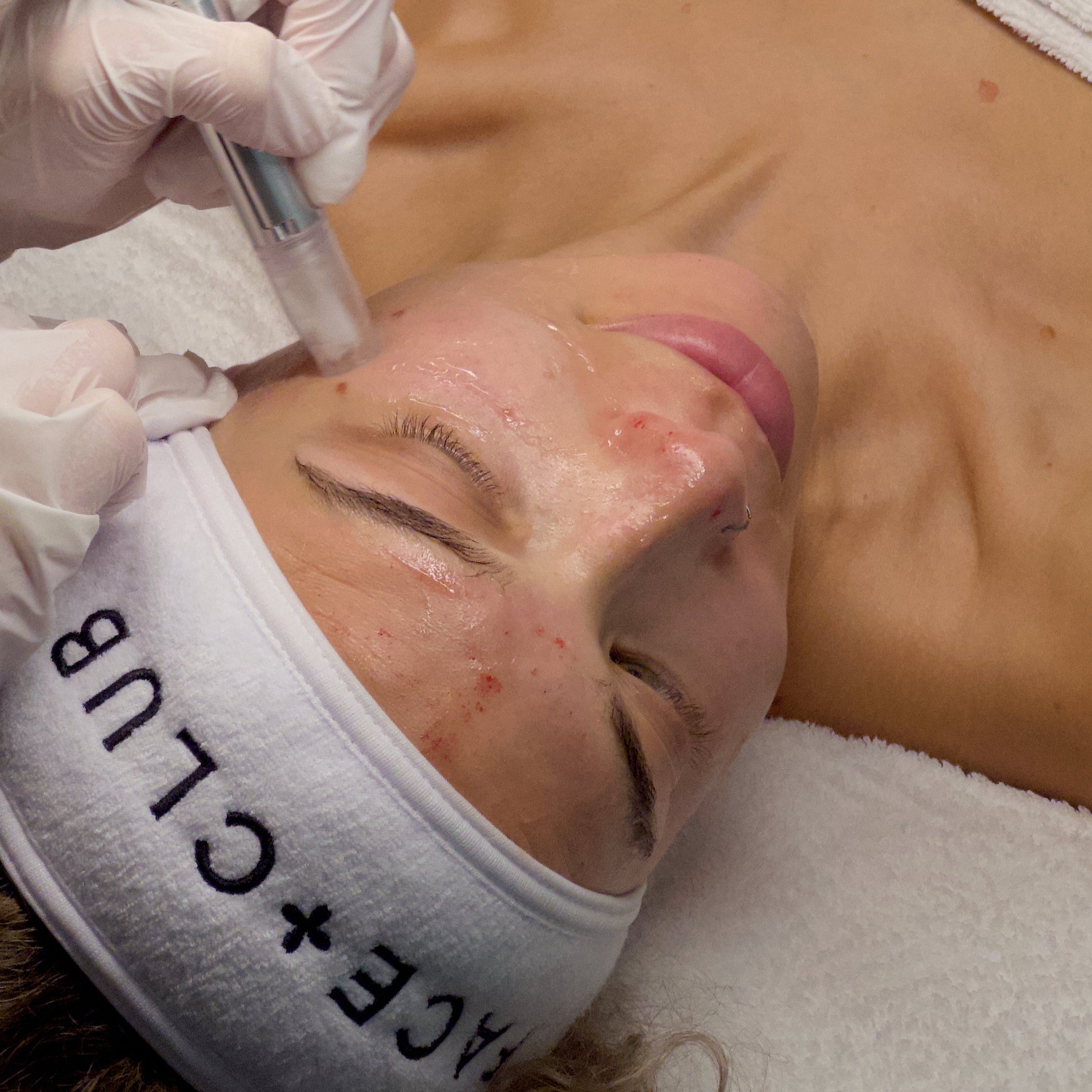


Exfoliation: What Exactly Does it Do and How Often Should I Do it?
What is Exfoliation? Exfoliation is the process of removing “dead” corneocyte cells from the outermost layer of your skin. This can be achieved through physical exfoliants, like scrubs containing...
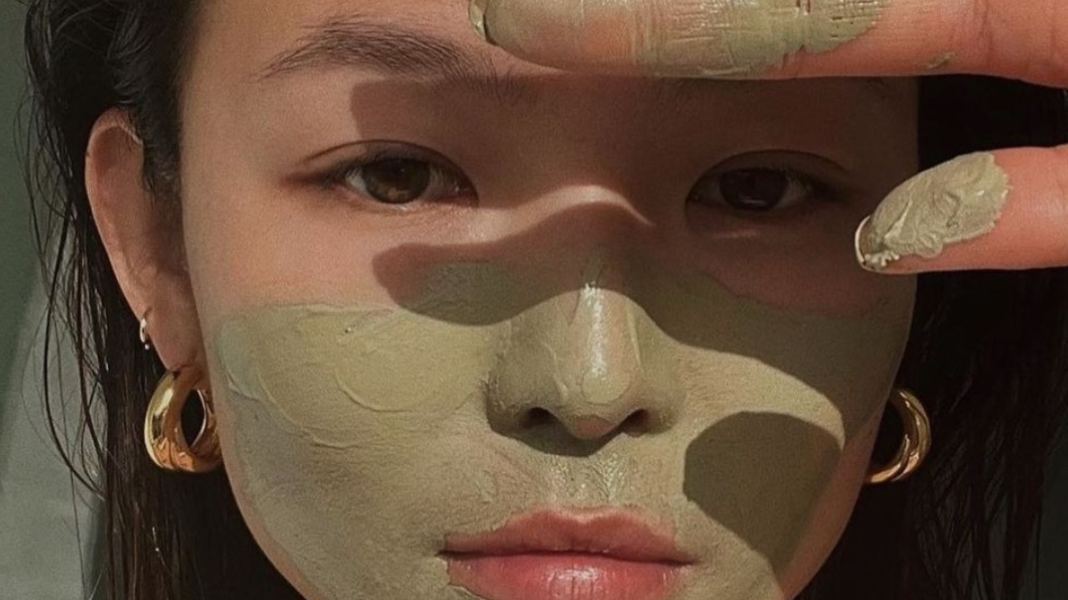
How to Prevent Acne: 10 Tips for Managing Breakouts
What is Acne and How Does it Form? Acne is a common skin condition that is caused by the development of c. acnes bacteria in combination with sebum and corneocytes...
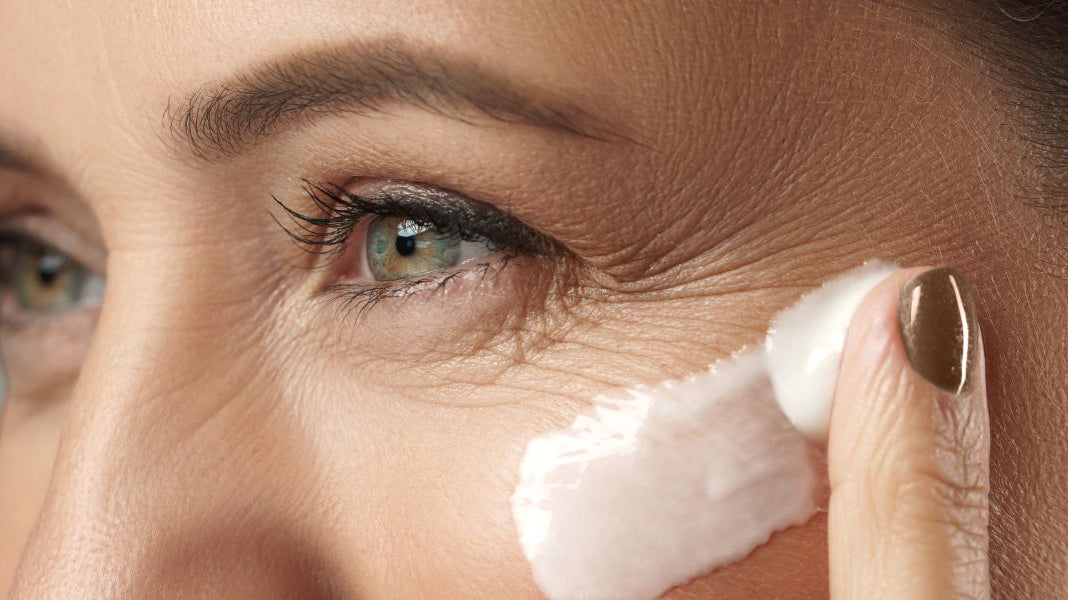
How to Care for your Skin During Menopause
What are the effects of menopause on the skin? Menopause, a natural phase in every woman's life, brings about significant changes not just internally but also externally, affecting the skin...

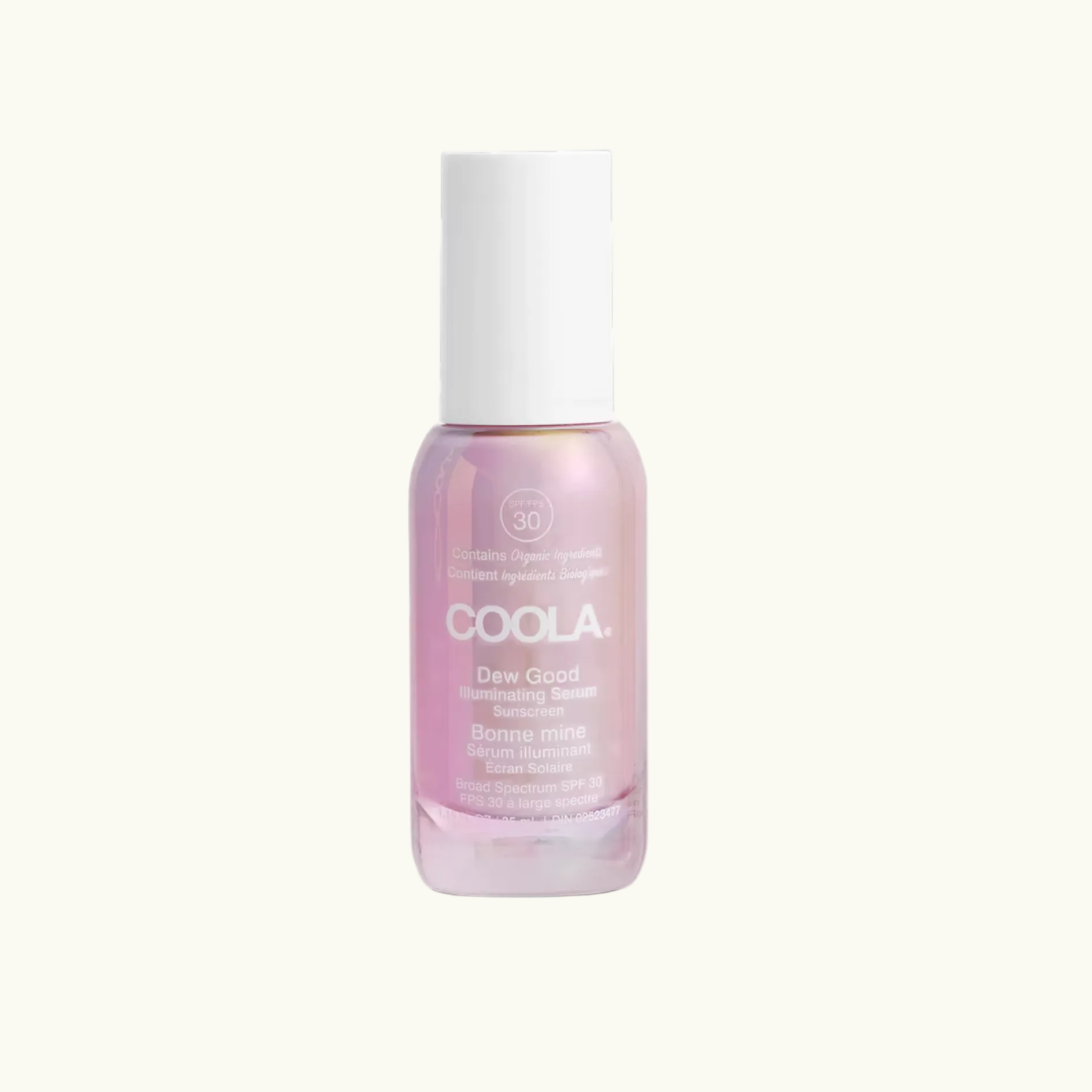
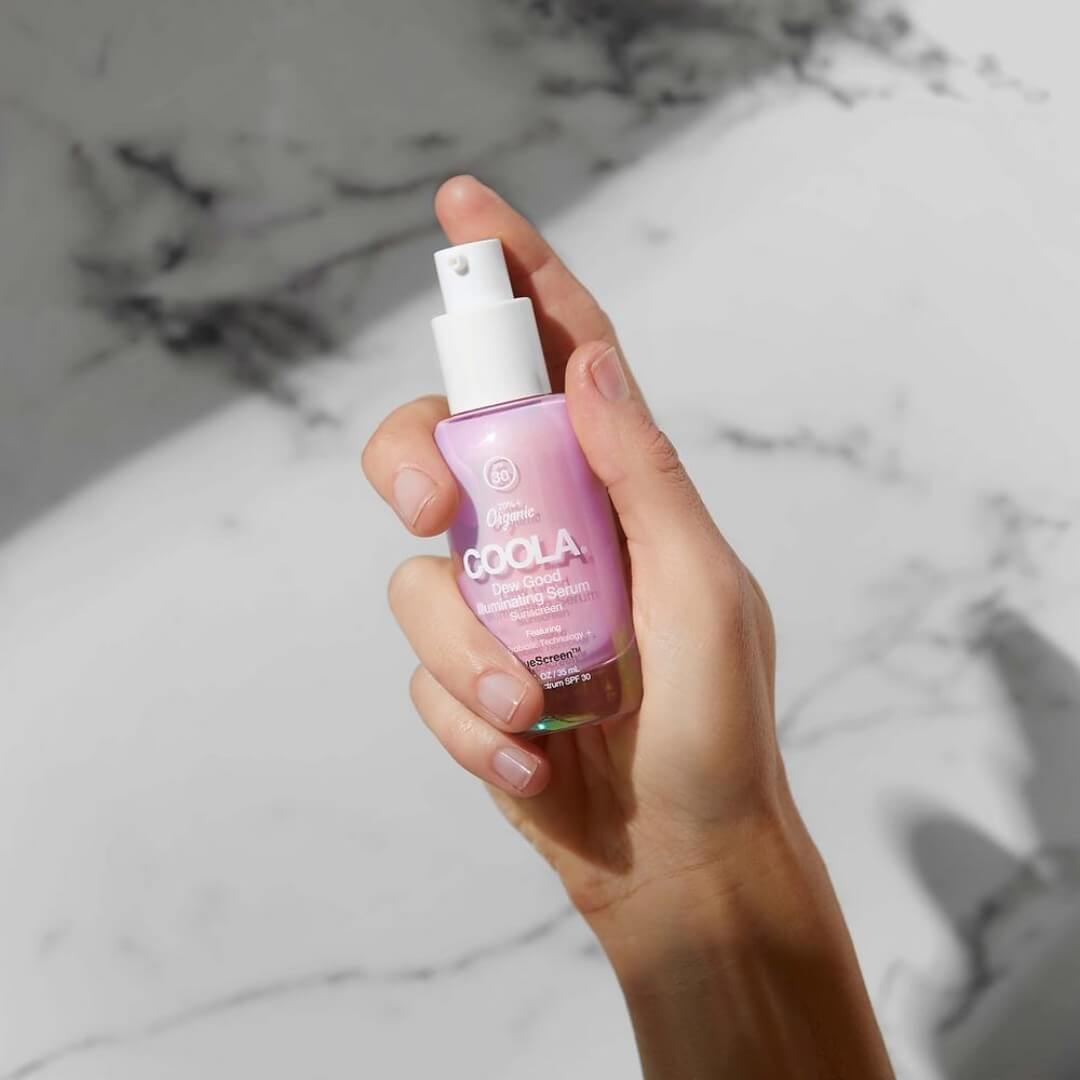
The Best Sunscreen to Use This Summer
Why do you need sunscreen? Wearing sunscreen is essential for protecting the skin from the harmful effects of ultraviolet (UV) radiation from the sun. UV rays can cause immediate damage...
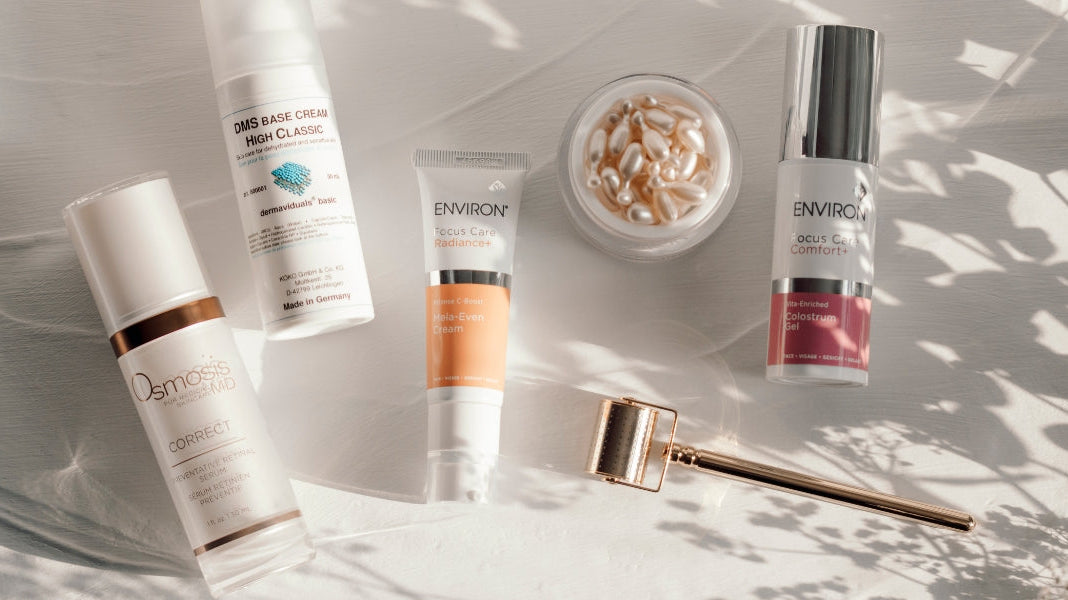
All About Retinol
Vitamin A is one of the most widely known ingredients in the skincare world, commonly referred to as retinoids or retinol. This is because Vitamin A has the most scientific backing of any other skin care ingredient, recognized as one of the only active ingredients that creates a physiological change in the matrix of the dermis.
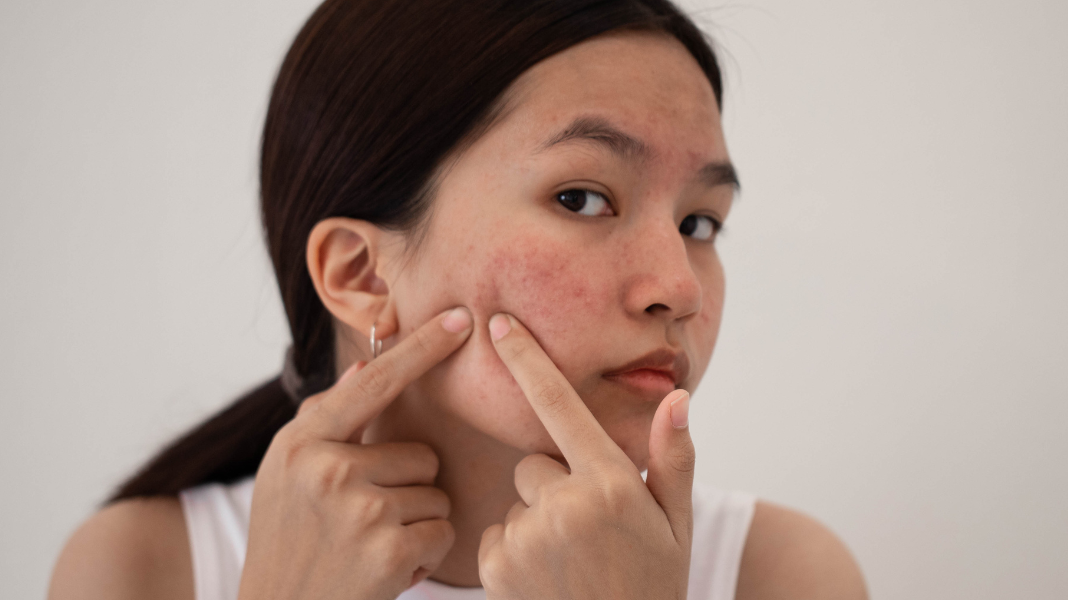
Hormonal Acne: What Causes It and How to Treat It
Hormonal acne is acne that typically appears on the cheeks and jawline due to hormonal fluctuations in the body. The breakouts are often cystic and painful in nature.
Is Vitamin C Worth the Hype?
Vitamin C provides so many skin benefits, the most commonly known is for being utilized by the skin cells as an antioxidant. This means it scavenges free radicals and protects the skin from the damaging effects of UV rays.